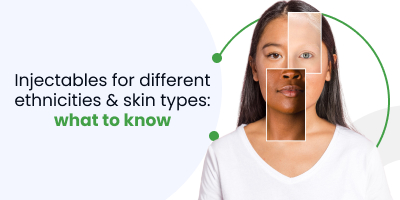
Modern aesthetic procedures are no longer based on universal templates that treat every face and every patient the same way. Specialists now pay close attention to ethnicity, anatomy, aging patterns, and individual reactions before recommending injectables or other cosmetic solutions.
Differences in bone density, melanin levels, and skin texture can completely change how products behave after treatment and how long the effects remain visible. Patients today are also more informed about preserving their identity and natural proportions instead of chasing unrealistic beauty standards influenced by social media trends.
Facial anatomy varies significantly across populations, which is why experienced practitioners avoid standardized injection maps. Some patients naturally have stronger cheek projection, while others may develop earlier signs of sagging in the lower face or volume depletion around the temples. Understanding facial structure allows providers to choose better injection depth, product density, and placement techniques that maintain harmony instead of creating an unnatural appearance.
Different ethnic groups also age differently because of variations in collagen density, fat distribution, and sebaceous activity. Patients with melanin-rich skin often maintain firmness longer, while thinner skin types may show wrinkles and hollowing earlier. In many cultures, the primary goal of treatments is a “rejuvenated” version of oneself rather than a “Westernized” one.
Another important factor is how the skin heals after injections. Repeated needle punctures can trigger the skin to produce excess melanin, leading to dark spots, known as hyperpigmentation (PIH). Others may develop irritation if the injector applies excessive pressure or uses unsuitable techniques in delicate zones. These differences make personalized treatment planning essential rather than optional.
Skin characteristics strongly influence how injectable products settle, integrate, and maintain their shape over time. Experienced practitioners often combine dermal fillers with hydration-focused techniques to create balanced results that match both anatomy and skin behavior.
Patients with thicker or oilier skin often respond differently to injectable procedures compared to those with thinner tissue. Dense skin may hide product definition at first, meaning slightly more structural support is sometimes required to create contour and lift. At the same time, this skin type usually ages more slowly because stronger sebaceous activity helps preserve skin elasticity over time.
In many cases, oily skin also tolerates injections well because the tissue structure offers better support underneath the surface. However, practitioners still need to monitor:
People with thicker skin may also seek procedures focused on jawline enhancement or shaping of the lower face because these areas respond well to structural support.
Thin skin requires a far more conservative strategy because products can become visible if placed incorrectly. Patients with fragile tissue are more prone to bruising, transparency effects, and irregular texture under the eyes or around the mouth. Fine lines and wrinkles also appear earlier in this group due to reduced structural support within the dermis.
Specialists frequently select softer formulas containing hyaluronic acid for these patients because the material integrates more naturally into superficial tissue. Certain techniques with fine needles help minimize trauma and reduce the chance of vascular irritation. A careful injector also avoids overcorrection because too much product can create puffiness instead of rejuvenation.
Higher melanin levels provide advantages in terms of aging because deeper pigmentation naturally protects against environmental stressors. At the same time, these patients may face unique challenges connected to healing and inflammation. Even minor irritation can sometimes trigger temporary discoloration or reactive pigmentation after injections.
This does not mean injectable procedures are unsafe for darker skin tones. The main priority is choosing a medical professional familiar with treating diverse patients and understanding how to protect the skin barrier during recovery. Gentle methods and proper aftercare significantly reduce complications and improve comfort after treatment.
Injectables are no longer limited to basic wrinkle correction. Clinics now offer a wide range of products designed to improve skin quality, restore lost volume, and stimulate long-term regeneration at a cellular level. Product selection depends heavily on anatomy, age, and treatment goals rather than current trends.
Some of the most widely used options include:
Botulinum toxin, commonly known as Botox, is a popular and effective cosmetic treatment to address forehead lines and wrinkles on the face. Results from botulinum toxin injections typically manifest within two to three weeks, and the effects generally last between three to four months before a follow-up treatment is needed.
Fillers, on the other hand, are usually selected for structural support, contour enhancement, and facial rejuvenation. They work by injecting biocompatible substances, such as hyaluronic acid, beneath the skin’s surface to plump and smooth targeted areas, effectively addressing age-related volume loss and enhancing facial contours. The results of dermal fillers typically last anywhere between 6 and 18 months, depending on the specific area treated and the type of filler used, making them a popular choice for individuals seeking a semi-permanent solution to facial volume loss and wrinkles.
Certain biostimulating products work differently because they encourage collagen production instead of simply occupying space beneath the skin. Unlike traditional fillers, these injectables activate cells responsible for tissue renewal and firmness over time. Many providers recommend them for patients experiencing diffuse laxity, thinning skin, or gradual volume loss associated with aging. Collagen stimulators typically require two to three treatment sessions, with optimal results developing over several months and lasting up to two years.
Polynucleotides are advanced, bioregenerative molecules derived from high-purity salmon trout DNA, designed to repair, regenerate, and revitalize the skin from within. Rather than creating dramatic volume, they work by stimulating fibroblasts in the skin, which are responsible for producing collagen and elastin, helping to rejuvenate the skin.. The benefits of polynucleotides include improved skin quality, increased hydration, and enhanced elasticity, making them ideal for treating dull, dehydrated, or aging skin.
Different targeted areas of the face require different injection depths, product densities, and placement strategies to achieve balanced enhancement. Practitioners often analyze movement patterns, tissue thickness, and bone support before selecting products for specific concerns.
The mid face is one of the first areas where aging becomes visible because fat pads gradually shift downward over time. Loss of structural support in this region often creates heaviness near the mouth and flattening beneath the eyes. Restoring volume in the cheeks can indirectly improve several surrounding zones without requiring excessive product elsewhere.
Patients with naturally prominent cheekbones usually need subtle enhancement rather than dramatic correction. In contrast, individuals with flatter bone structure may benefit from carefully layered support that creates balance without exaggeration. A structured approach helps practitioners avoid overfilled cheeks that distort natural expression.
Lip injections vary widely depending on ethnicity and baseline anatomy. Some patients naturally have stronger lip volume and only want hydration or definition, while others seek shape improvement or correction of asymmetry. The injector must evaluate soft tissue thickness before selecting product consistency and injection depth.
This area also requires caution because swelling may temporarily exaggerate results. Small bumps sometimes appear during the healing phase but usually resolve naturally within several days. Most patients notice more stable contours after approximately two weeks.
Jawline treatments continue to grow in popularity among both younger and older patients. A stronger lower face can create a more youthful appearance while improving facial balance at the same time. Chin support is especially important for profile refinement and lower-face harmony.
For some individuals, injectable contouring becomes an attractive option because it provides visible changes without surgical procedures or long recovery periods. Results typically appear faster than many energy-based treatments, although longevity varies depending on metabolism and product type.
Every injectable procedure should begin with a detailed consultation process rather than immediate treatment. A qualified provider evaluates previous medical history, allergies, healing response, and the patient’s expectations before recommending products or techniques. This stage is especially important for patients interested in advanced injectable treatment plans involving multiple areas.
Some clinics also document baseline photographs to monitor progression over time. Patients should openly discuss previous cosmetic treatments, sensitivity reactions, and medications that may affect bruising or healing.
Many injectors apply numbing cream before treatment to reduce discomfort during injections. Modern products and techniques are designed for minimal discomfort, allowing patients to resume normal activities relatively quickly. However, providers still advise temporary restrictions involving exercise, alcohol, and excessive heat exposure immediately after appointments.
Injectables alone cannot completely transform poor skin health if patients neglect daily care and prevention. Overall skin quality still depends heavily on hydration, UV protection, nutrition, and lifestyle habits. Even the most advanced procedures produce weaker outcomes when chronic inflammation or environmental damage remains untreated.
Practitioners increasingly combine injectables with treatments focused on deep hydration and regeneration. These combinations may support collagen and elastin production while improving radiance and texture over time. Patients dealing with crepey skin or dullness often achieve better long-term outcomes when hydration and structural support are addressed together.
Preventive care is also essential because some visible aging signs are linked to sun exposure and chronic inflammation rather than genetics alone. Specialists frequently educate patients about:
The rapid growth of the aesthetic industry has increased access to cosmetic procedures, but it has also created unrealistic beauty standards online. Many edited images circulating on social platforms distort what injectables can realistically achieve. Patients sometimes arrive requesting dramatic transformations that would compromise facial balance or safety.
Experienced providers focus on natural results instead of exaggerated trends that erase individuality. The best outcomes often involve subtle refinement rather than dramatic alteration. This philosophy becomes especially important when working across different ethnicities because preserving natural beauty should remain the priority.
Modern injectables are moving toward highly individualized care that combines anatomy, skin science, and long-term prevention rather than temporary cosmetic correction alone. Specialists now evaluate aging patterns, healing response, and ethnic characteristics before designing treatment plans tailored to each patient’s needs.
This personalized philosophy helps restore volume while maintaining identity, expression, and facial harmony instead of creating identical results for everyone. As techniques continue evolving, the future of injectables will likely focus even more on subtle enhancement, collagen support, and treatments that work alongside the body’s natural regenerative processes rather than simply masking visible aging signs.

 Loading...